Assoc. Prof. Can Ozan Ulusoy, MD is a perinatology specialist focused on the management of high-risk pregnancies, advanced fetal ultrasonography and fetal surgery. He has advanced experience in the management of twin pregnancy complications (TTTS, TAPS and selective fetal growth restriction), the prenatal diagnosis of fetal anomalies, and minimally invasive fetal interventions — including fetoscopic laser surgery, intrauterine blood transfusion, amniocentesis, CVS, vesicoamniotic and thoracoamniotic shunting, and fetal spina bifida surgery. Combining a scientific approach, command of advanced imaging technologies and up-to-date diagnostic and therapeutic methods with clinical experience, he offers individualised perinatal care aimed at protecting the health of mother and baby at the highest level.

What perinatology follow-up involves, when detailed ultrasound is performed, and answers to the most common questions.
Frequently Asked Questions → CLINICALFrom fetal medicine to invasive procedures and fetal surgery — six areas of clinical focus.
Explore the Areas → ACADEMIC46 peer-reviewed articles, book chapters and original work on artificial intelligence in perinatology.
Go to Publications →Assoc. Prof. Can Ozan Ulusoy, MD provides care in the surveillance of high-risk pregnancies, prenatal diagnosis of fetal anomalies, advanced fetal ultrasonography and fetal therapy.
He completed his medical education at the Gülhane Military Medical Academy and his residency in Obstetrics and Gynaecology at Ankara University Faculty of Medicine. Serving for many years in different regions of Türkiye after residency, he performed approximately 2,500 vaginal deliveries and 1,500 caesarean sections. He completed his fellowship in perinatology at Ankara Etlik City Hospital.
As part of his professional development, he trained in fetal surgery and advanced fetal therapy at the Fetal Medicine & Surgery Unit of Liverpool Women's Hospital in the United Kingdom, gaining international experience in fetal surgery, fetoscopic procedures, advanced fetal imaging and the management of complex pregnancies.
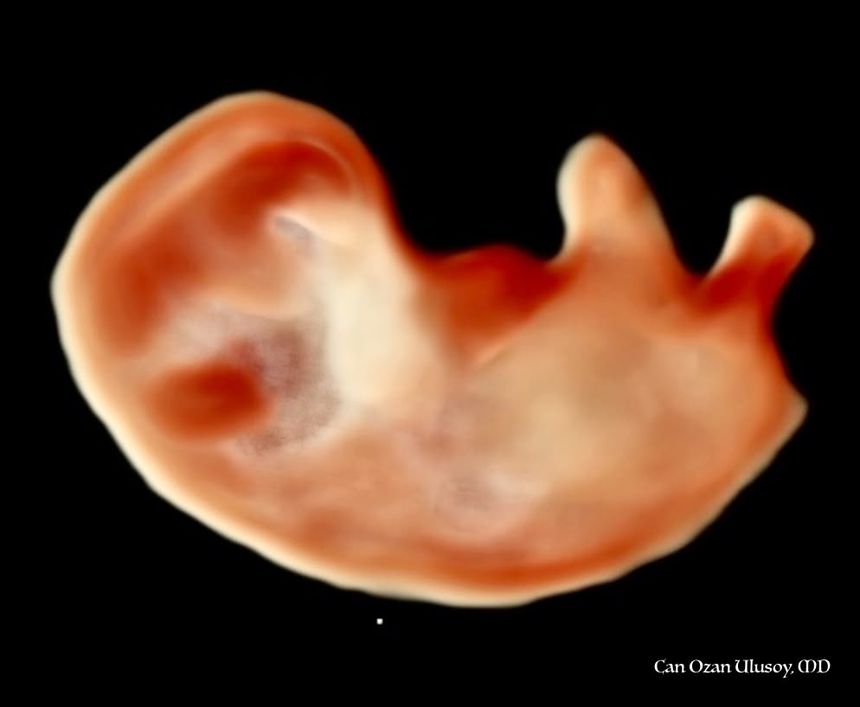
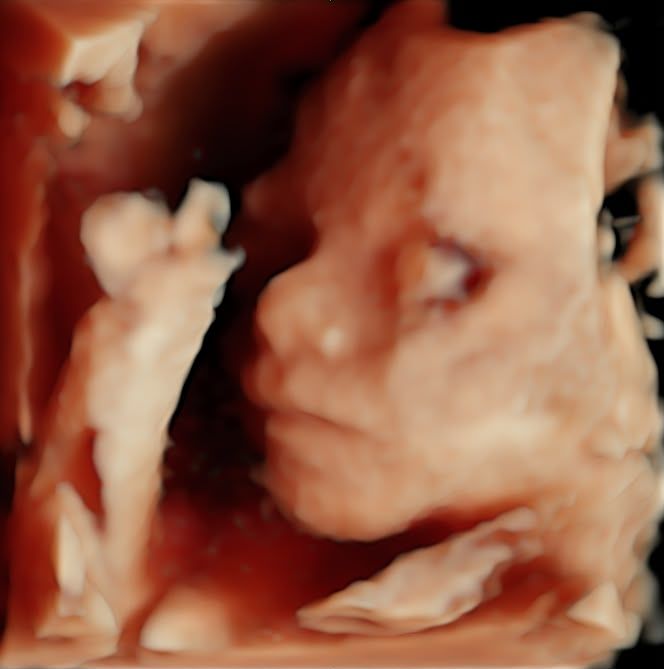
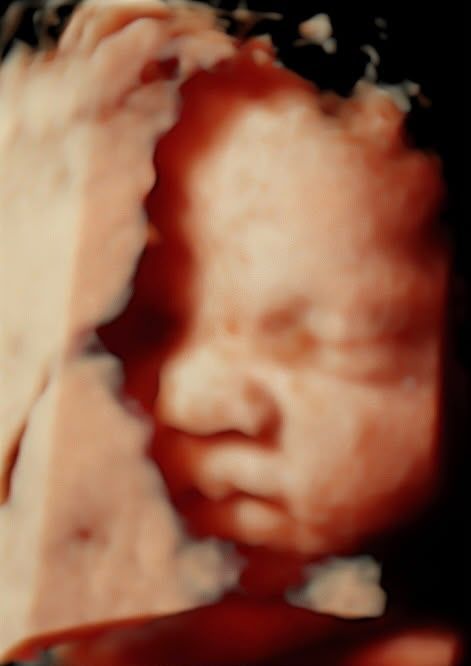
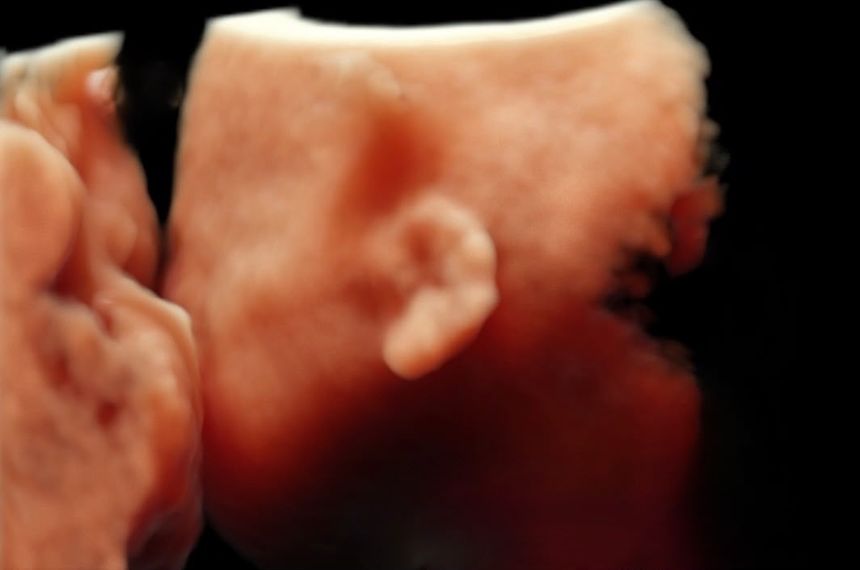
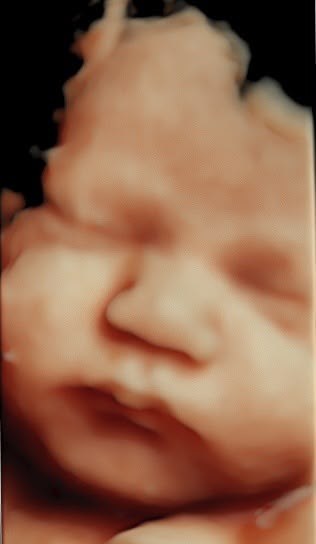
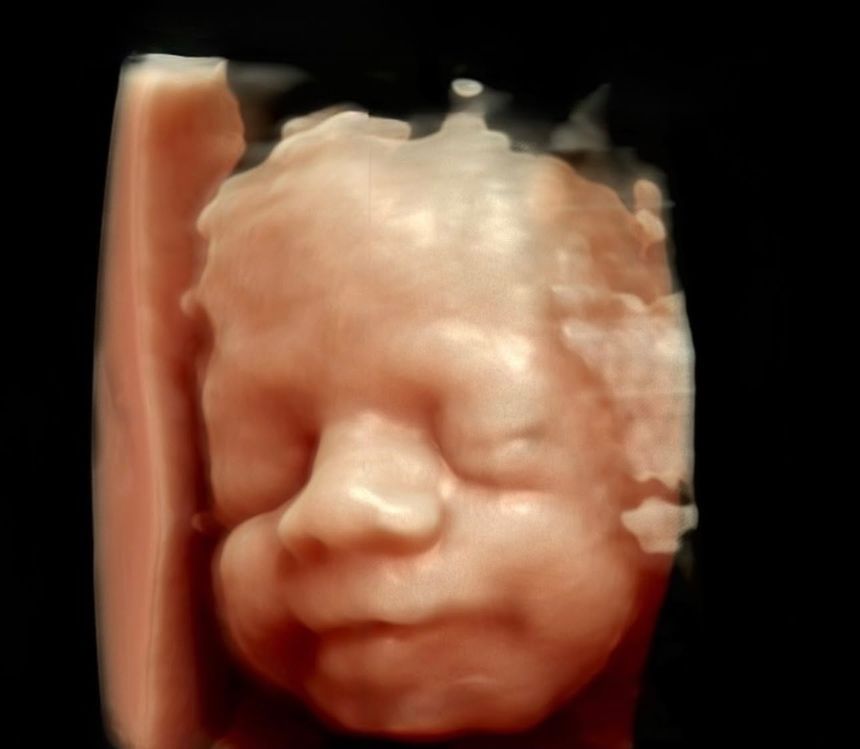
His clinical interests centre on detailed fetal ultrasonography, prenatal diagnosis of fetal anomalies, advanced 3D/4D ultrasound and Doppler ultrasonography. He actively uses advanced three-dimensional imaging techniques such as X-Ray Render, Crystal Vue, HDlive and skeletal rendering to strengthen prenatal diagnosis.
Twin pregnancies — particularly the surveillance of monochorionic twins and the management of their complications — are among his special areas of focus. He is experienced in the diagnosis and management of twin-to-twin transfusion syndrome (TTTS), twin anemia-polycythemia sequence (TAPS), selective fetal growth restriction (sFGR), TRAP sequence and other monochorionic twin complications, with advanced expertise in the evaluation of cases requiring fetoscopic laser surgery, appropriate patient selection, surgical planning and follow-up.
Invasive fetal procedures and fetal therapy are also core areas of his practice. He has advanced training and experience in amniocentesis, chorionic villus sampling (CVS), intrauterine fetal blood transfusion, vesicoamniotic and thoracoamniotic shunting, fetoscopic intrauterine laser procedures, and the evaluation and management of spina bifida cases requiring open fetal surgery.
Actively engaged in national and international research, Assoc. Prof. Ulusoy has numerous scientific publications in fetal medicine, fetal surgery and obstetric ultrasonography, and serves as a reviewer for international scientific journals.
Bringing together a scientific approach, advanced technology and patient-centred communication, he offers individualised pregnancy care aimed at protecting the health of mother and baby at the highest level.
A glimpse of fetoscopic laser surgery for twin-to-twin transfusion syndrome (TTTS).
Management of maternal disease in pregnancy; surveillance and delivery planning for at-risk pregnancies including multiple gestations, fetal growth restriction and preeclampsia.
Detailed anomaly screening and advanced imaging including fetal echocardiography and neurosonography; three-dimensional fetal ultrasound applications.
Amniocentesis, chorionic villus sampling and cordocentesis; intrauterine transfusion, thoracoamniotic and vesicoamniotic shunt placement.
Visiting researcher in fetal surgery at Liverpool Women's Hospital; advanced clinical experience in fetoscopic laser coagulation for twin-to-twin transfusion syndrome.
Screening and diagnosis of chromosomal and structural anomalies; interpretation of screening tests and comprehensive genetic counselling for families.
Machine learning-based clinical prediction models: published original research on shoulder dystocia, fetal growth restriction and birthweight prediction.
Surveillance of high-risk pregnancies, advanced fetal ultrasonography and invasive fetal procedures; clinical and academic work in perinatology.
Advanced clinical observership in fetoscopic laser coagulation for twin-to-twin transfusion syndrome, mapping of placental vascular anastomoses, selective and sequential laser techniques; multidisciplinary management of invasive fetal procedures including intrauterine transfusion and thoracoamniotic and vesicoamniotic shunting.
Actively managed a total of 3,893 deliveries (2,474 vaginal, 1,415 caesarean) during service in Ağrı and Mardin, and performed approximately 1,000 minor and major gynaecological operations.
University of Health Sciences, Ankara Etlik City Hospital
Hacettepe University, Graduate School of Science and Engineering
Ankara University Faculty of Medicine
Eskişehir Osmangazi University Faculty of Medicine
Assoc. Prof. Ulusoy is the author of 46 peer-reviewed articles in national and international journals; he has served as investigator and collaborator in multicentre studies across Europe and worldwide, and continues to act as a reviewer for international scientific journals. For the complete list and citations, visit the Google Scholar profile.
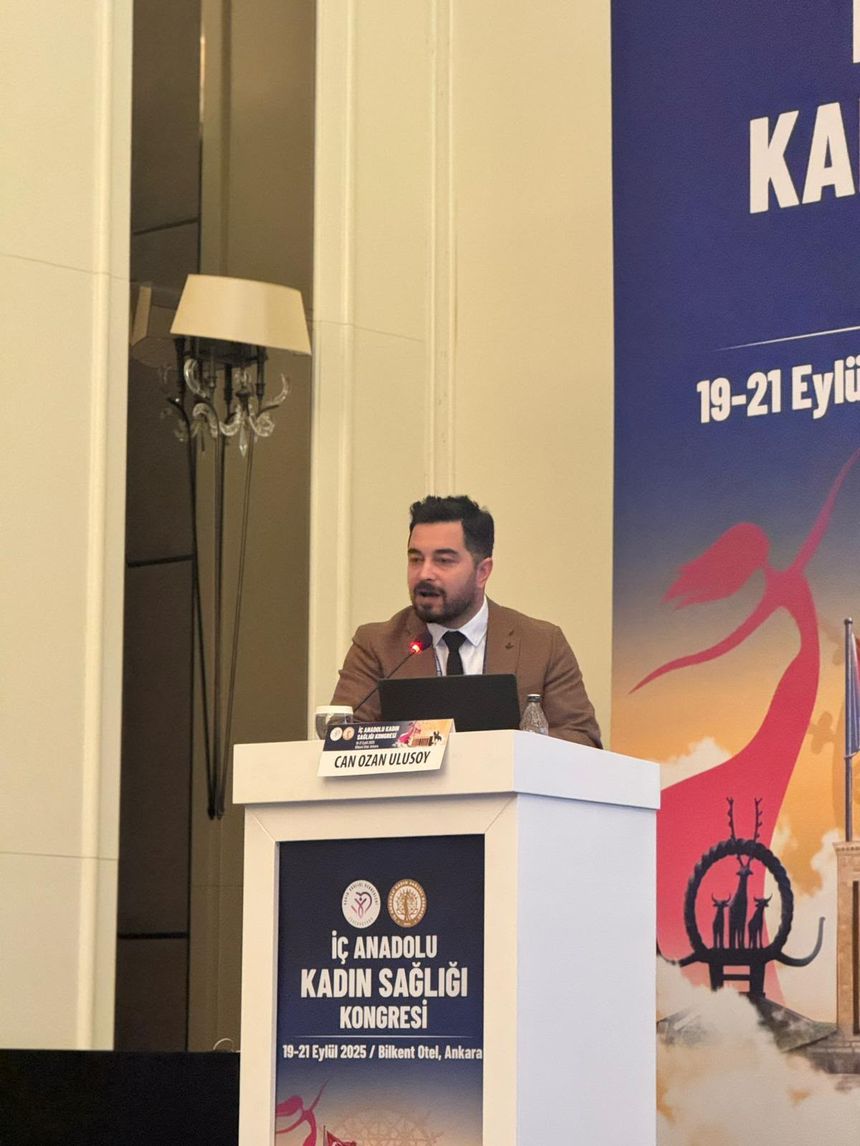
Scenes from scientific meetings and advanced three-dimensional fetal ultrasound images.
Frequently asked questions about perinatology and high-risk pregnancy care.
Perinatology (maternal–fetal medicine) is a subspecialty of obstetrics and gynaecology focused on high-risk pregnancies. Chronic maternal conditions (such as diabetes, hypertension, thyroid or rheumatological disease), multiple gestations, previous pregnancy losses or complications, suspected structural or genetic problems in the baby, and conditions arising in pregnancy such as preeclampsia or fetal growth restriction all call for perinatology care.
Even without an identified risk, referral to a perinatologist for a detailed ultrasound assessment at specific weeks of pregnancy is common practice.
A detailed ultrasound is an advanced imaging examination in which all of the baby's organ systems are assessed systematically. The ideal window is usually between 18 and 23 weeks of gestation, when fetal anatomy is seen most clearly. Where indicated, the examination is extended with fetal echocardiography, neurosonography and three-dimensional imaging.
Performed under ultrasound guidance and in experienced hands, procedures such as amniocentesis, chorionic villus sampling and cordocentesis are considered safe diagnostic methods with low complication rates. Each family's situation is assessed individually, and the decision is made together after a thorough discussion of the indication, alternatives and potential risks.
Twin pregnancies need closer surveillance than singletons. In monochorionic twins sharing one placenta, conditions unique to this type of pregnancy — such as twin-to-twin transfusion syndrome (TTTS) — can develop, and early diagnosis is crucial. Ultrasound checks are therefore scheduled at shorter intervals, and advanced fetal therapies such as fetoscopic laser treatment are considered when needed.
Screening tests (combined test, quadruple test, cell-free fetal DNA/NIPT) estimate whether a risk is high or low; they do not give a definitive diagnosis. Diagnostic tests (amniocentesis, chorionic villus sampling) provide definitive information about the chromosomes. A high-risk screening result does not necessarily mean something is wrong with the baby; results are reviewed in detail with the family and diagnostic options are discussed where appropriate.
Your previous antenatal records, ultrasound reports, blood test and screening results, and a list of your regular medications are all very helpful. If you are being followed by another specialty for a chronic condition, bringing their up-to-date reports makes it easier to build a comprehensive management plan for your pregnancy.
The information in this section is for general guidance only and is not a substitute for an individual medical assessment.
Please get in touch for appointments, consultations and academic collaboration.
Book an Appointment via MHRSAppointments at Gülhane Training and Research Hospital are booked through Türkiye's Central Physician Appointment System (MHRS).